

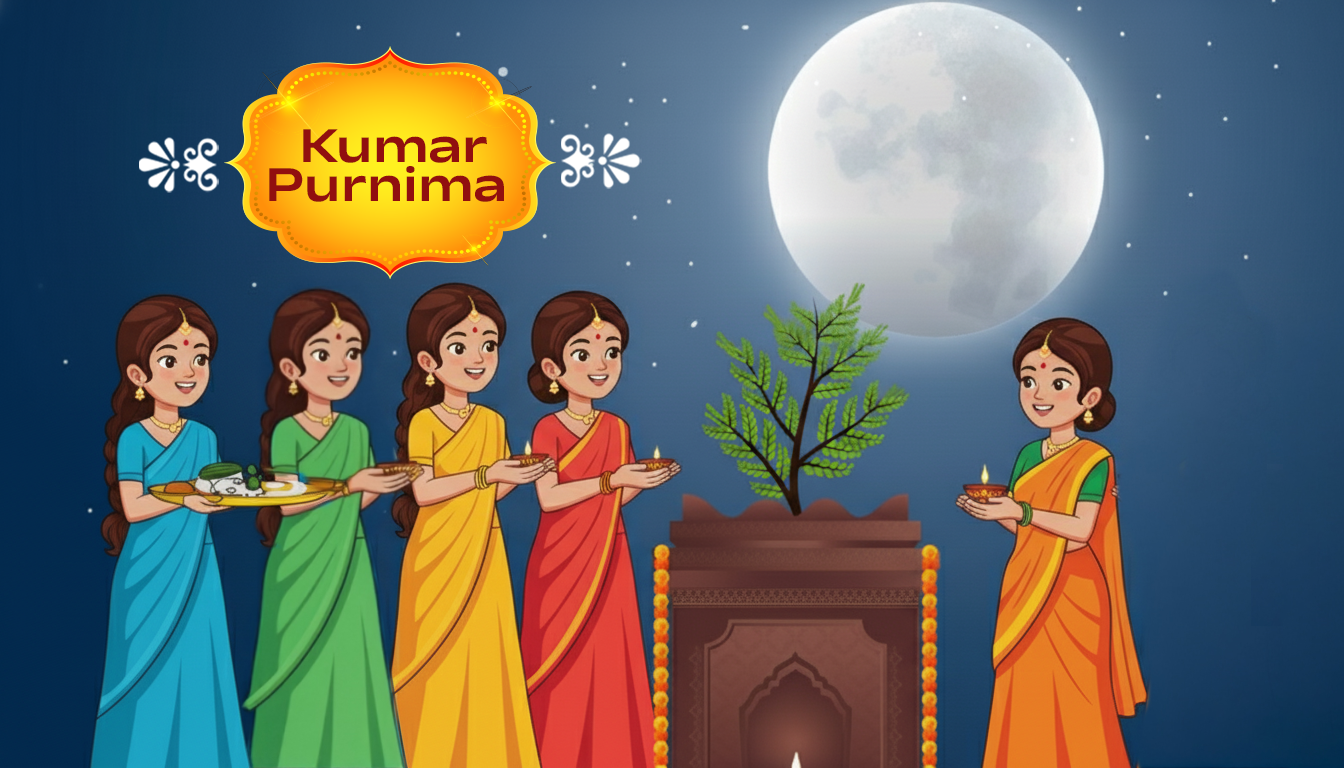
Among all the beautiful festivals that colour the cultural life of Odisha, Kumar Purnima shines with a charm of its own. It is not just a festival — it is a celebration of youth, purity, and the gentle rhythm of Odia life. Observed on the full moon day of Ashwina, when the sky turns crystal clear after the rains, Kumar Purnima fills every home and village with devotion, joy, and laughter. In Odisha, it marks a time when nature, people, and faith come together beautifully under the silvery glow of the moon.
The word Kumar refers to Kumar Kartikeya, the radiant and divine son of Lord Shiva and Maa Parvati. In Odisha, it is believed that on this very day, as described in the Skanda Purana, Kumar Kartikeya defeated the demon Tarakasura and was appointed the commander-in-chief of the Deva Sena — the divine army of the Gods. The day is thus celebrated as a symbol of virtue, courage, and righteousness — values deeply admired in Odia culture and lovingly prayed for by young girls, who observe this festival with devotion, joy, and hope for a bright future filled with purity, prosperity, and the blessings of finding a noble companion like Kumar Kartikeya himself.
In every Odia household, the morning of Kumar Purnima begins with purity and prayer. Young girls wake up before sunrise, take a holy bath, and offer flowers, fruits, and water to the rising sun — a ritual known as Anjuli Bandha. This is not just a morning custom; it is a sincere prayer for purity, good fortune, and a radiant life ahead. The offering to the Sun God symbolises the wish for a life as bright and powerful as the first rays of dawn. This quiet devotion reflects the spiritual simplicity of Odia life — where every ritual, however small, carries deep faith and meaning.
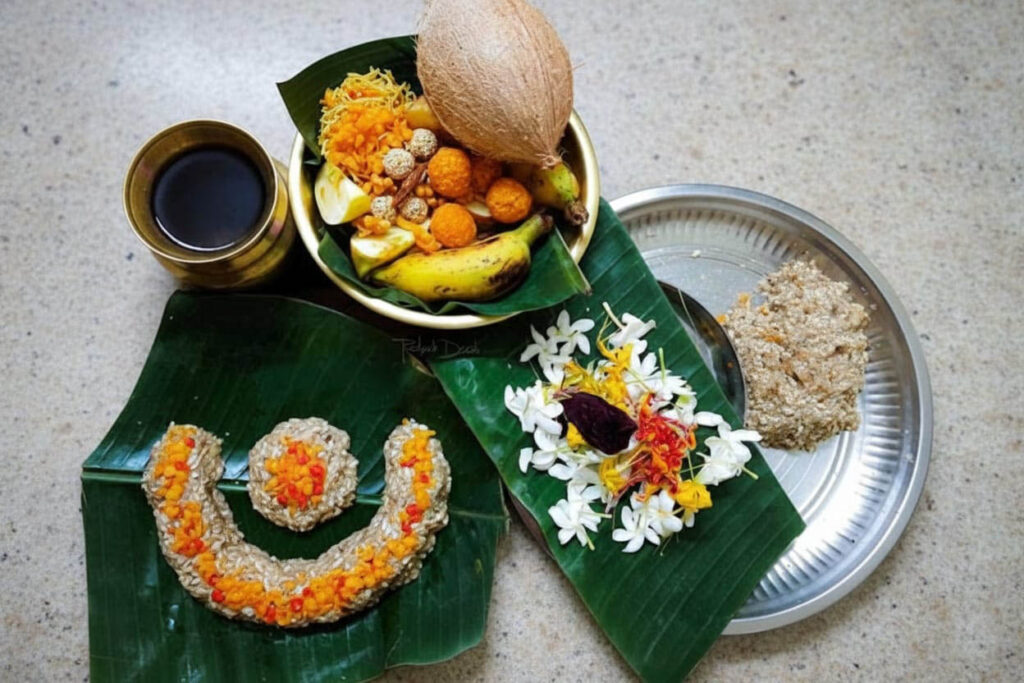
As the evening arrives and the golden moon slowly rises, the real celebration begins. Girls, dressed in new clothes, gather together in their courtyards or village grounds. They prepare Chanda Chakata — a traditional offering made with rice flakes (chuda), banana, coconut, jaggery, sugarcane, and sweets — all arranged beautifully on plates made of banana leaves. These offerings are placed under the full moon as a mark of devotion and thanks.
Traditional Kumar Purnima geeta (songs) fill the night with music and cheer. The songs praise the beauty and valour of Kumar Kartikeya, and express innocent hopes for a bright and prosperous future. The moon is worshipped as a symbol of purity and beauty — and girls pray that their lives too may shine with the same grace and brilliance. In Odisha’s villages, the festival extends beyond rituals. It is a night of joy and community. Children play traditional games like Puchi, Cowries khela, and Chanda Khela, while elders share stories and laughter. The bright moon watches over all — over laughter, friendship, and the sense of togetherness that defines Odisha’s village life. Even in cities, families gather on rooftops or balconies, offering Chanda Chakata and celebrating the same spirit in their own way.
For the people of Odisha, what makes Kumar Purnima truly beautiful is not just the rituals, but the feeling it creates — of togetherness, hope, and gratitude. It is a festival that mirrors the values of Odisha — simplicity, faith, and the joy of living in harmony with nature. It reminds us that beauty lies not in grand celebrations, but in pure hearts that pray and smile together under the moonlit sky.
Every year, as the bright full moon of Ashwin month rises, Odisha once again celebrates Kumar Purnima — not just as a festival, but as a reflection of our way of life. It is a time when the light of the moon touches every heart, inspiring us to live with love, purity, and happiness — like moonlight that gently brightens the world around us.
Thank you Sir for reminding us that festivals like these are not merely traditions, they are luminous threads that bind generations in faith, joy and aspiration. It’s a joy read your article Sir.🙏
The blog reminds me my past around 50 years back when staying in village & this particular auspicious ritual was being observed in true spirit as it is elaborated in the blog of yours Sir.
My submission::
Kumar Purnima is not merely a festival in Odisha’s villages.
It is a holistic celebration that intertwines spirituality, folklore, and community life.
It honors age-old traditions while providing a vibrant, joyful space for the youth to express their hopes and dreams.
In Odisha villages, the festival is grounded in profound spiritual beliefs that shape its core practices:
Worship of Lord Kartikeya:
Unmarried girls are the central figures of Kumar Purnima.
They fast and worship Lord Kartikeya, the handsome son of Lord Shiva, hoping for a husband who is as virtuous and attractive as he is.
Excellent write up Sir!
Many Thanks Sir for penning in details.
🙏🙏🙏
Observing the beautiful rituals of Kumar Purnima with family and friends, honoring the customs and traditions of Odisha with a heart full of gratitude is very lucidly depicted by you Sir.
Wish to see much more like this. Thanks for sharing your information.
Yasya karma bandhanat subhadrusti sarasamsarabhabet sukhi tasya tapodhana apara upari uchyate.